
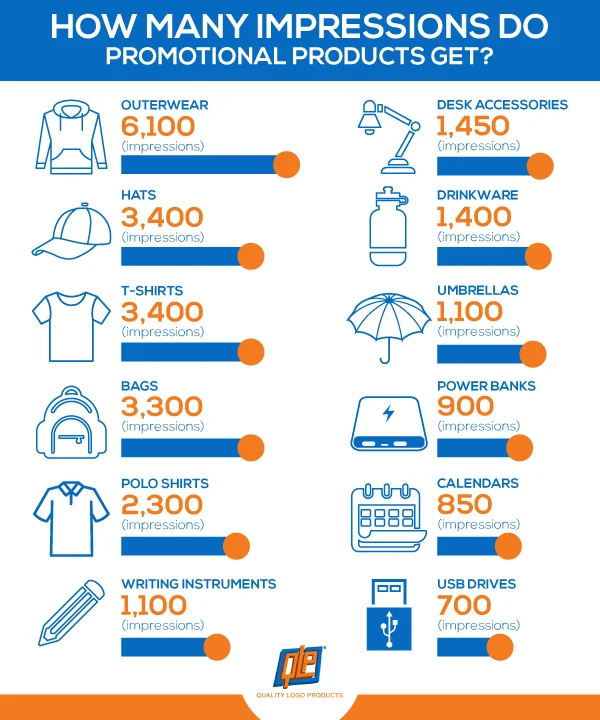
In the competitive landscape of today’s market, establishing a strong brand presence is paramount for Small to Medium-Sized Businesses (SMBs). While the ultimate goal is often sales and customer loyalty, the journey begins with brand impressions—the instances where your target audience encounters your brand message. But how many impressions are enough? And are all impressions created equal?
Setting Realistic Impression Goals: The 200,000 to 500,000 Sweet Spot for Local SMBs
Many marketing discussions circulate around ambitious impression targets. However, for small local businesses, a more focused and achievable goal often yields significant results. Research suggests that local SMBs can effectively build brand awareness and achieve their objectives with 200,000 to 500,000 well-targeted impressions annually . This range highlights that for businesses with a localized customer base, the emphasis shifts from sheer volume to strategic precision.
This is a crucial distinction. Unlike large corporations aiming for millions of impressions across broad demographics, local SMBs benefit more from reaching their specific community with consistent, relevant messaging. The goal isn’t just to be seen, but to be seen by the right people in the right way.
The Critical Role of Quality and Frequency
Simply accumulating a high number of impressions is insufficient if those impressions are fleeting, irrelevant, or poorly delivered. Two factors are paramount for effective brand building:
1. Quality of Impression
A quality impression is one that is memorable, impactful, and positively reflects your brand. This means:
•Relevance: Is your message reaching an audience genuinely interested in your products or services?
•Clarity: Is your brand message clear, concise, and easy to understand?
•Consistency: Is your brand’s visual identity and messaging consistent across all touchpoints?
•Engagement: Does the impression encourage interaction or further exploration of your brand?
Promotional products, for instance, offer a unique advantage in creating high-quality impressions. Unlike fleeting digital ads, a useful promotional item like a branded tumbler or a quality pen provides repeated exposure and a tangible connection to your brand. The Advertising Specialty Institute (ASI) Ad Impressions Studies consistently demonstrate the longevity and impact of such items, with many generating thousands of impressions over their lifetime .
2. Frequency of Impression (Effective Frequency)
Effective frequency refers to the optimal number of times an individual needs to encounter a brand message to be influenced, without leading to
ad fatigue. The optimal frequency can vary significantly depending on the platform and the nature of the campaign:
•Digital Advertising Platforms:
•Facebook Ads: Aim for approximately 2.25 impressions per week for optimal effectiveness .
•Instagram Ads: 2 to 4 impressions per week, ideally with varied creative content to maintain engagement .
•Google Display Ads: A range of 5 to 7 impressions per week is often recommended, though this can be adjusted based on specific industry and audience characteristics .
•YouTube Ads: 1 to 3 impressions per week can effectively boost brand awareness without overexposure .
•LinkedIn Ads (B2B): For business-to-business audiences, 3 to 6 impressions per user per week is a good target .
•Snapchat Ads: For shorter campaigns (1-4 weeks), around 2 impressions per week are effective; for longer campaigns, 1 impression per week can still deliver strong exposure .
These platform-specific guidelines underscore that a blanket annual impression number is less useful than a nuanced approach to how often and where your audience encounters your brand.
Crafting Your SMB Brand Impression Strategy
To maximize the impact of your brand impressions, consider the following:
1.Define Your Target Audience: Understand who you are trying to reach. This will inform your choice of marketing channels and the type of messaging that resonates most effectively.
2.Choose the Right Channels: Select channels that align with your audience and budget. Promotional products offer tangible, long-lasting impressions, while digital platforms allow for precise targeting and frequency control.
3.Prioritize Quality Over Quantity: Focus on creating memorable and positive brand experiences. A few high-quality, relevant impressions are far more valuable than many fleeting or irrelevant ones.
4.Monitor and Adapt: Regularly review your campaign performance. Are your impressions leading to increased brand recognition, engagement, or conversions? Be prepared to adjust your strategy based on data and feedback.
Conclusion
While the idea of a universal annual impression goal for SMBs can be appealing, a more effective strategy involves understanding the quality and frequency of impressions. For local small businesses, aiming for 200,000 to 500,000 well-targeted impressions annually can be a powerful driver of brand awareness. By focusing on delivering relevant, consistent, and engaging brand messages across appropriate channels, SMBs can build strong brand recognition and foster lasting customer relationships.
References
[1] What is Impression? Complete Marketing Guide
[2] ASI’s 2023 Ad Impressions Study: The Impact of Promo’s Top Products
[3] What is the right frequency for awareness ads to make an impact? | Linden Digital Marketing